Uncover the Crucial Services Offered by a Professional Arborist for Healthy Trees
A professional arborist delivers a variety of services vital for ensuring tree wellness and enhancing landscapes. Their expertise in tree pruning encourages growth and reduces risks. They also assess and handle tree diseases, guaranteeing customized treatment plans are implemented - Florence Arborist. Additionally, arborists manage secure tree removal and can assist with planting and transplanting. Their role is even more vital during critical situations like storm damage. Understanding these services can profoundly influence one’s approach to tree care
The Importance of Tree Pruning
Although many homeowners often neglect the importance of tree pruning, it is crucial in upholding the vitality and aesthetics of trees. Proper pruning assists trees in building a strong structure, removing dead or diseased branches that could pose risks. By carefully cutting branches, the tree can concentrate its resources on healthy growth, promoting better air circulation and sunlight penetration. Additionally, pruning can boost the aesthetics of the tree, contouring it for attractiveness in residential landscapes.
Moreover, regular pruning can prevent potential hazards, such as dropped branches during storms or high winds, which could harm property or cause personal injury. It also assists in avoiding of pest infestations and diseases by boosting the tree's resistance. Ultimately, investing in professional arborist services for tree pruning makes sure trees are kept healthy, safe, and aesthetically appealing, contributing considerably to the overall beauty and value of the property.
Identifying and Treating Tree Diseases
Tree health can be greatly compromised by a range of diseases that may not always be readily apparent. A professional arborist serves a vital function in detecting these problems soon, utilizing a combination of visual inspections and diagnostic tools. Symptoms such as unusual leaf coloration, wilting, or unusual growth patterns often point to underlying wellness concerns. Arborists evaluate these signs to pinpoint particular diseases, whether fungal, bacterial, or viral in nature.
After a diagnosis is made, the professional designs a customized plan of action. The plan often involves targeted treatments, such as bactericides or fungicides, and maintenance techniques that enhance tree resilience. Furthermore, correct hydration, the application of mulch, and nutrition helps greatly enhance tree health and resistance to diseases. Consistent observation and subsequent care are necessary for effective management, guaranteeing the lifespan and vitality of the trees. When dealing with tree diseases promptly, tree specialists ensure the ecological advantages and visual appeal that healthy trees offer.
Guidelines for Safe Tree Removal
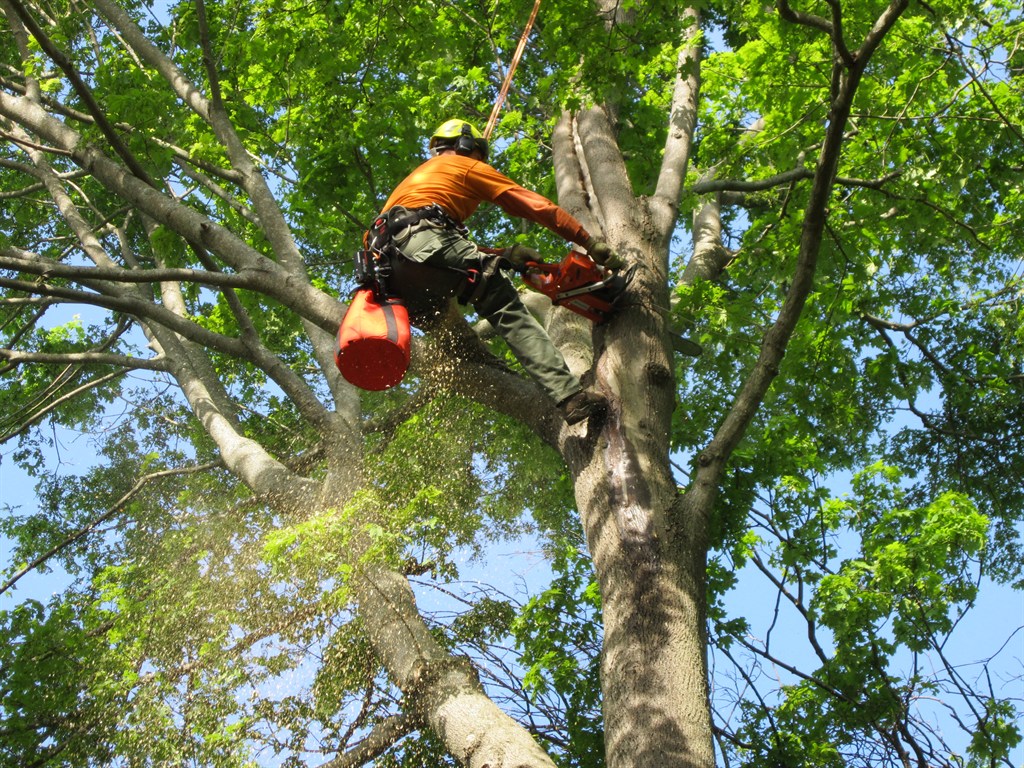
Effective tree removal practices are necessary to ensure the safety of the crew and limiting harm to nearby structures. Qualified professionals utilize a comprehensive evaluation of the tree's condition, its location, and the surrounding environment before beginning the felling process. Professionals employ dedicated machinery, such as ropes and cutting tools, to ensure accurate cutting and manage the tree during its descent.
A carefully designed extraction plan involves spotting possible dangers, such as structures or overhead wires, which can compromise the safety measures. Tree specialists frequently employ a method known as "sectional dismantling," where the tree is cut down in small sections, minimizing the danger from falling material.
Moreover, arborists adhere to local rules and standards to guarantee compliance and responsible environmental care. Once the tree is down, thorough clearing and removal of the remaining wood and brush, stump treatment as well, contribute to the overall safety and aesthetics of the property.
Guidelines for Tree Installation
Planting and transplanting trees requires careful consideration of choosing the location and installation methods to ensure future vitality and development. An appropriate setting greatly affects a tree's development, and correct installation techniques minimize stress and aid in successful rooting. Arborists emphasize these factors as vital for boosting the vigor and longevity of trees in all environments.
Proper Site Selection
Selecting an appropriate site for planting or transplanting trees is critical to their sustained health and success. Considerations including the condition of the soil, sunlight exposure, and water flow needs careful consideration. Tree care professionals evaluate the location's features, making sure that the chosen spot provides adequate nutrients and proper foundation for the trees. Furthermore, the nearness to established constructions and surrounding flora is vital to stop the fight for nutrients and avoid potential damage. Tree specialists also factor in the tree’s full-grown dimensions and root system, guaranteeing enough area for development. By conducting a thorough site analysis, these professionals assist customers choose wisely that foster robust, flourishing trees, ultimately enhancing the landscape’s beauty and environmental worth.
Proper Techniques for Installation
Once the site has been carefully assessed and selected, the next step involves using optimal methods for planting trees. Proper preparation of the planting hole is vital; it should be two times wider than the root mass and not deeper than the root mass. The tree should be placed in the hole so that the crown of the root mass is even with the surrounding soil. Refill using the original dirt, checking that all voids are filled, and water thoroughly to help the roots settle in initially. Adding a layer of mulch near the trunk assists in keeping water in and inhibit unwanted growth. Florence Arborist. When relocating established trees, care must be taken to reduce root trauma consult now and move the tree while it is inactive for the highest rate of success. Following these techniques fosters healthy growth and long life
Handling Tree Emergencies After Storms

After powerful weather events occur, the consequences often leave trees in dangerous states, creating threats to buildings and people. Professional arborists play a vital role in emergency response, evaluating storm-damaged trees to check how safe and healthy they are. With their skill, they can discern which plants can be saved and which pose imminent hazards that require extraction.
Equipped with specialized tools, tree experts are able to securely trim fractured limbs and remove wreckage, preventing subsequent injury to surrounding areas. They also provide valuable advice on precautionary steps, such as choosing sturdy types of trees for subsequent landscaping.
In addition to immediate response, arborists help homeowners understand the potential long-term effects of storm damage, offering guidance on recovery and rehabilitation. Through quick and effective action, professional arborists not only protect property but also contribute to the restoration of the local environment after severe storms.
Nutritional Support and Soil Management
After the devastation caused by storm damage, focus shifts to the health of remaining trees, highlighting the significance of nutrient assistance and soil management. A professional arborist checks ground quality and tree health to figure out specific nutritional needs. Trees require vital elements, including nitrogen, phosphorus, and potassium, to recover and thrive after stress events.
Ground care is crucial for how nutrients are accessed and the growth of roots. Experts might advise ground improvements, such as organic matter, to boost soil structure and microbial activity. Proper pH levels are also checked, as they influence how nutrients are absorbed.
Incorporating mulching techniques can help the soil hold water and keep weeds down, creating an ideal environment for tree recovery. By developing a thorough nutritional plan and implementing effective soil management strategies, arborists guarantee trees recover their vigor, resilience, and total well-being, vital for maintaining a balanced ecosystem following major environmental events.
Common Queries
How Often Should I Have My Trees Inspected?
Trees should ideally be inspected annually for maximum vitality. However, more regular inspections may be necessary for younger trees, post-major weather incidents, or if distress or illness becomes apparent.
Which Credentials Should I Seek in an Arborist?
When hiring a tree specialist, one should prioritize certifications such as ISA (International Society of Arboriculture) accreditation, proven track record, proper liability insurance, and a good standing within the community, guaranteeing skill in tree care and safety practices.
Are There Specific Tools Arborists Use for Tree Care?
Arborists utilize various specialized tools for tree care, such as chainsaws, pruning shears, climbing gear, and stump grinders. Each tool serves a specific purpose, facilitating good care, pruning, and tree extraction while promoting overall health and safety.
In What Ways Does the Weather Impact Tree Health?
The state of the weather strongly influences tree health; heavy rainfall may result in root rot, while lack of water weakens trees. Temperature extremes can lead to the destruction of leaves and branches, which affects growth, durability, and overall strength of the trees.
Should I handle my own tree maintenance, or Should I use a professional service?
While some basic tree care tasks are manageable by homeowners, it is usually recommended to hire an expert - Florence Arborist. Trained individuals carry specialized equipment and knowledge, ensuring that trees receive the proper care necessary for optimal development and health